














Running in summer feels tougher for a reason.
Even at your usual pace, your heart rate (HR) can jump 10–15 beats higher because your body is fighting the heat, not your fitness.
Understanding why this happens, then following a simple 10-to-14-day heat-acclimation plan, will tame the spike and keep you cruising all season. Let’s break it down.
Why Heat Sends Heart Rate Sky-High
Cardiovascular Drift, Explained
After about 20 minutes in warm conditions, HR starts to climb even if speed stays steady. This is cardiovascular drift—your body’s built-in cooling strategy kicking in long before core temperature reaches danger levels.

Bottom line: your watch isn’t lying—you’re spending more cardiovascular effort on cooling than on speed. The fix? Acclimate.
Beginner Heat-Acclimation Cheat Sheet 🌡️

How to use it:
-
Complete each row before moving on.
-
Keep intensity easy (≈ 50-60 % effort).
-
Stop if dizzy, nauseous, or you stop sweating.
Hydration & Sodium Made Simple 💧
-
Start euhydrated. Aim for pale-yellow urine before heading out.
-
During runs longer than an hour: Sip 400–800 mL of fluid per hour plus 300–600 mg sodium. This keeps blood volume up so HR stays lower.
-
Myth-bust: You don’t have to replace every drop of sweat. Up to 2 % body-weight loss is fine for most workouts, but begin rehydrating as soon as you finish.
-
Post-session: Weigh before/after. Replace 150 % of lost weight over the next 4-6 h.
Hydration Is More Than Water
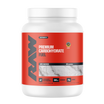
Over-drinking plain water can dilute sodium levels and tank performance. That’s where RAW Endurance – Replenish Electrolyte Mix comes in.
Why We Like Replenish
-
Research-backed formula: 1,000 mg sodium plus potassium & magnesium per serving—matching what the average athlete loses per liter of sweat.
-
Supports nutrient absorption, nerve impulses, and muscle contraction, helping you maintain steady focus and a larger circulating blood volume on hot days.
-
Informed Sport-tested and gluten-free.

How to Use It

Pace Smarter, Not Harder

Rule of thumb: Let heart rate or perceived effort, not GPS pace, dictate the day.
Quick Safety Checklist ✅
-
Dizzy, goosebumps, or you stop sweating? Stop, cool down, hydrate.
-
Run early morning or late evening when possible.
-
Light colors, breathable fabrics, and pouring water on your hat/shirt help evaporative cooling.
Common Heat-Training Mistakes to Dodge ❌
-
Chasing pace instead of sticking to HR zones.
-
Guessing hydration. Have a fluid-and-electrolyte plan, especially for long efforts.
-
Assuming one hot run = acclimated. Real adaptation takes 10+ consecutive heat exposures.
Stay cool, stay hydrated, and watch those summer miles fly by! 🎉


Leave a comment
All comments are moderated before being published.
This site is protected by hCaptcha and the hCaptcha Privacy Policy and Terms of Service apply.